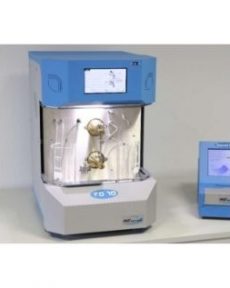
On 28 September a new version of Def Stan 91-091 Issue 10 was released with two important updates on jet fuel certification.
Note 15 reports that the only two accepted automatic methods are ITR (Annex C- instrument AD System DR10) e ETR (Annex D- instrument Falex).In addition, in case of disputes between visual and metrological methods, the metrological method shall be considered the referee.
| Note 15: The annexes referred to in Table 1 and this note correspond to those in IP 323. If the technically equivalent ASTM D3241 test method is used, the same protocol shall be followed using the appropriate annex that corresponds to the visual (VTR), interferometric (ITR) or ellipsometric (ETR) method. Tube deposit ratings shall be measured by IP 323 Annex C ITR or Annex D ETR, when available. If the Annex C ITR device reports “N/A” for a tube’s volume measurement, the test shall be a failure and the value reported as >85 nm. Visual rating of the heater tube shal l be by the method in IP 323. Annex B is not required when Annex C ITR or Annex D ETR deposit thickness measurements are reported. In case of dispute between results from visual and metrological methods, the metrological method shall be considered the referee. |
In its range of jet fuel analysis products, Nordtest can rely on DR 10 Ad System, an automatic instrument for the ITR method and the only instrument currently available on the market that complies with both ASTM D3241 and ASTM D1655.
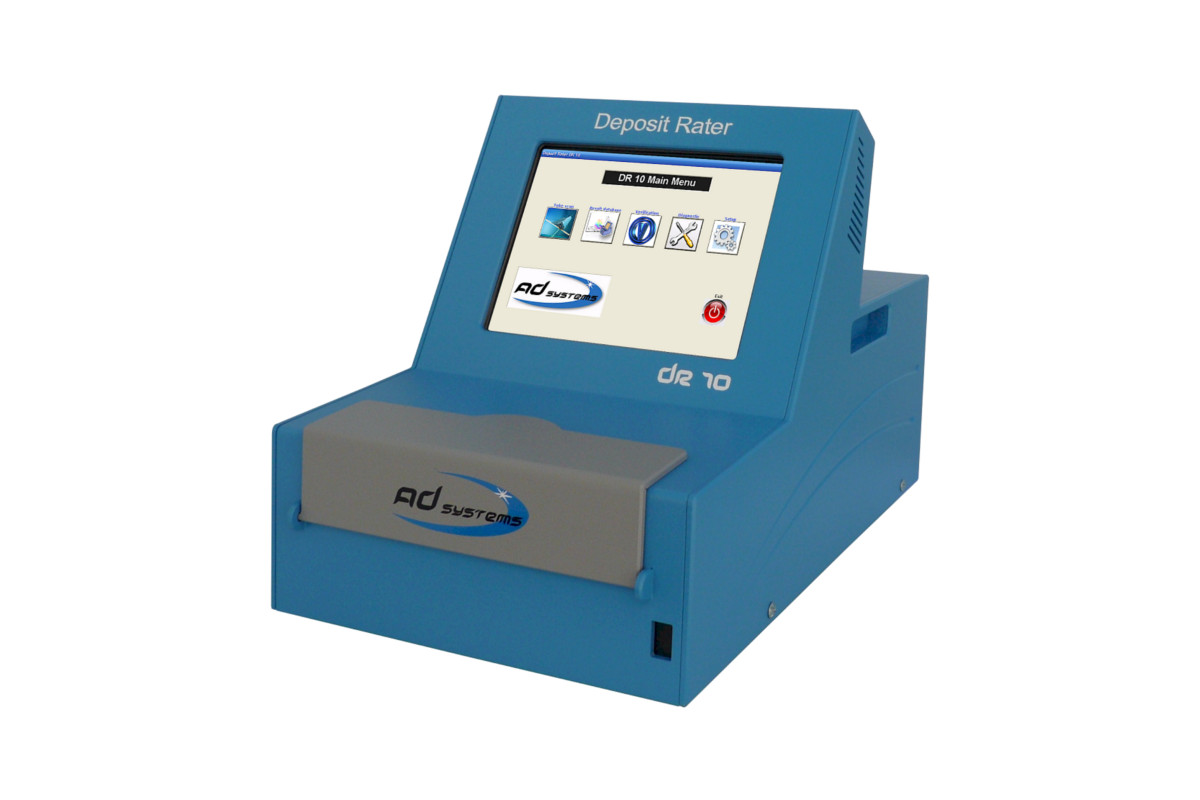
AD SYSTEMS DEPOSIT RATER DR10 THERMAL OXYDATION STABILITY OF TUBINES FUELS
The Jet Fuel Thermal Oxidation Test is universally used by the industry to measure high temperature stability of aviation turbine fuels. The ASTM D3241 is required to be run on every batch of Jet Fuel produced according to ASTM D1655 or DEF STAN 91-91 specifications. In this test method the fuel is pumped through heater tube at fixed flow rate and during a specified period of time. The fuel is pass or fail rated according to the amount of deposit formed on the heater tube at specified temperature. Traditionally the amount of deposit on the tube is rated visually by the operator against reference color scale. The proper rating requires significant experience and expertise. But operator capabilities vary, so evaluation of color can be quite subjective.